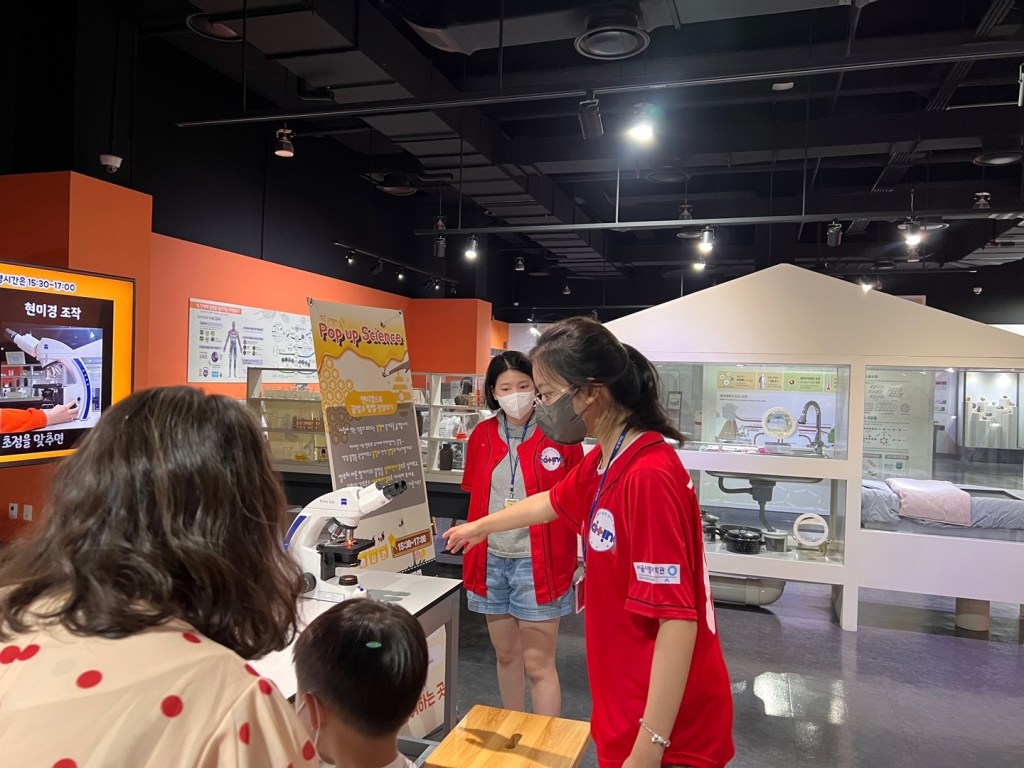
For this Saturday session at the Seoul Science Center, I explained the microscope booth and also led the interactive bee microscope event. The microscope exhibit had two different types of microscopes — stereo and biological. I actually learned about distinguishing the two during this session; the location of the light source affects the thickness of the glasses in the samples. For example, the biological microscope shoots light from a light source at the bottom of the microscope, so the sample has to be encased in a thin slide for the light to pass through. On the other hand, the stereo microscope utilizes light reflections and has its light source positioned above the mirror, angled down.
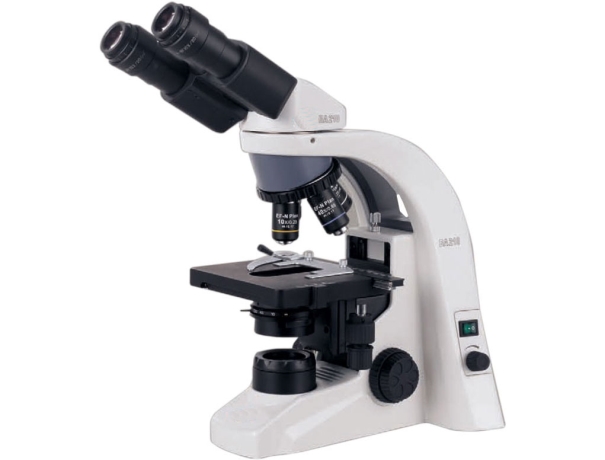
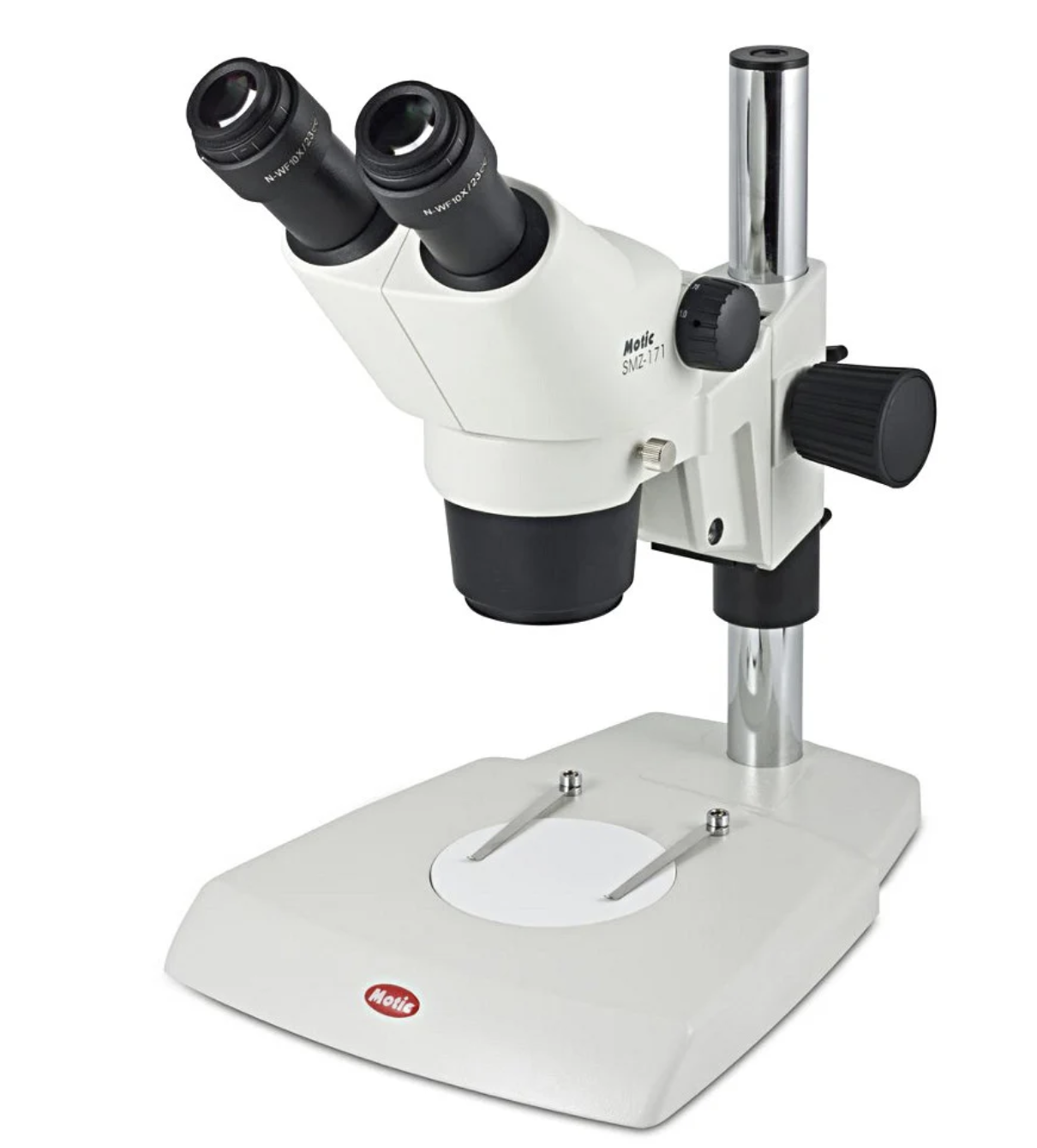
The biological microscope had samples already attached to the microscope so that visitors would only need to press a button to see different samples. Some of these samples included Salmonella bacteria, Penicillin, Streptococcus, and Lactobacillus. The stereo microscope was more interactive as it allowed visitors to manually locate their samples below the lens and also zoom in/out and focus on the images. We were fortunate enough to have samples of cabbage butterflies and cicadas in different ages/steps of their life cycles. While visitors were viewing these two samples, we explained to them about the differences of the biological/stereo microscopes, and also explained the insects in the samples themselves. (I also learned that cicadas actually only live for approximately 3 months above ground after spending 7-8 years underground before dying, and that female cicadas have pointer and longer abdomen to lay eggs but are unable to produce sound.)
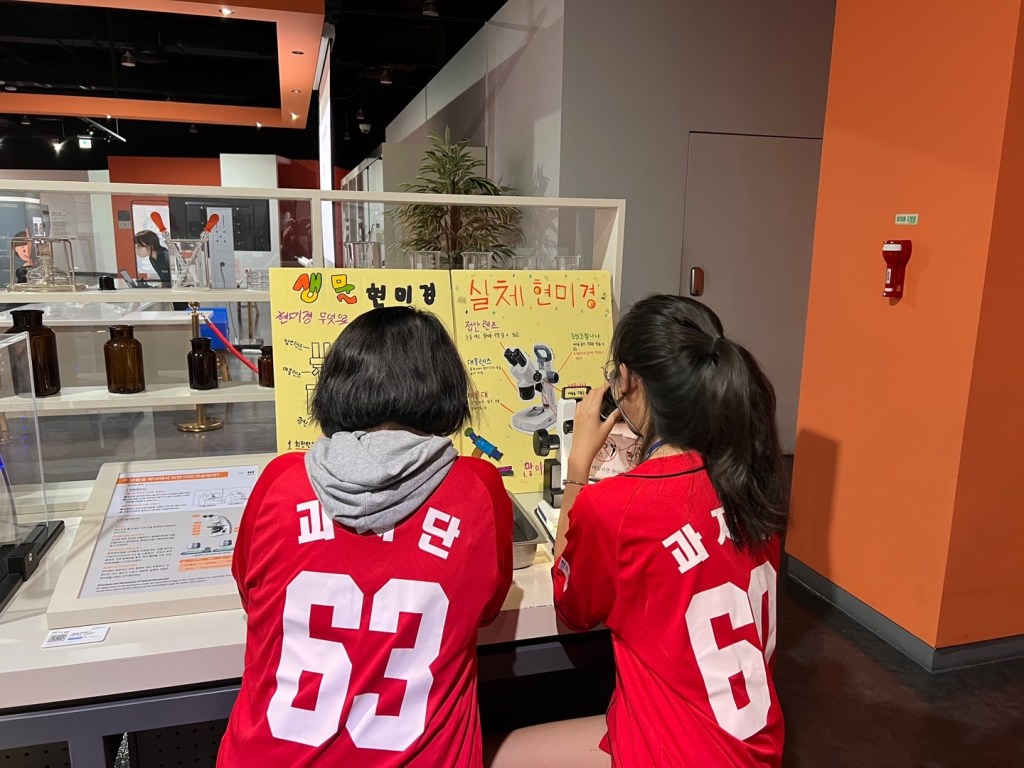
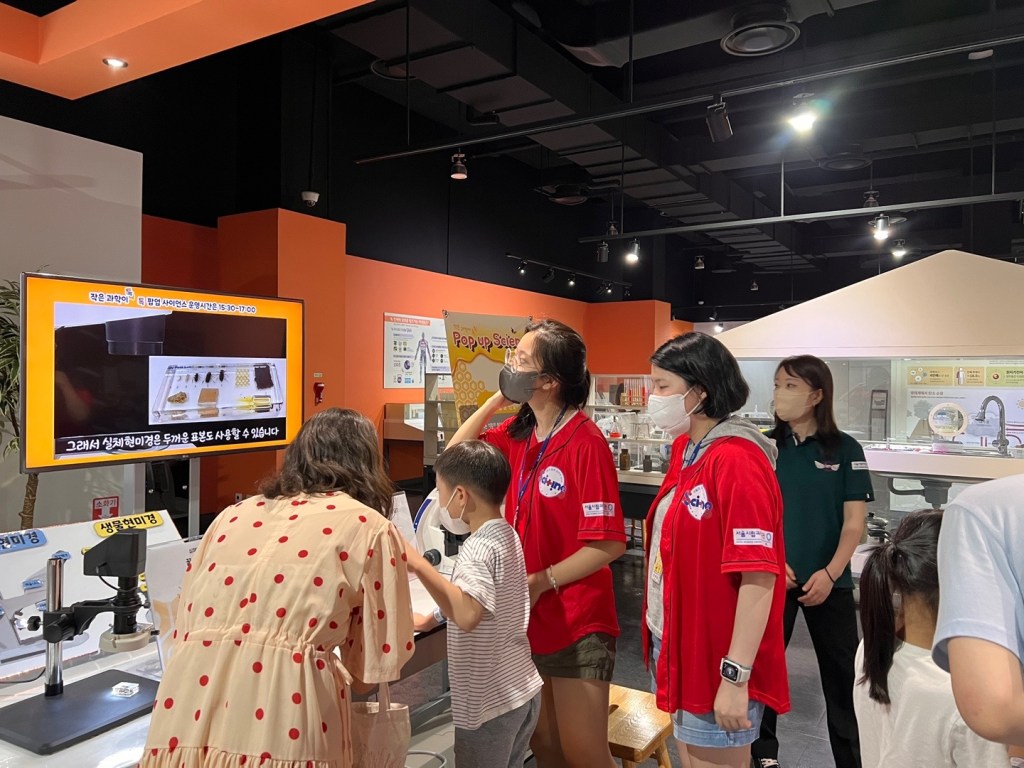
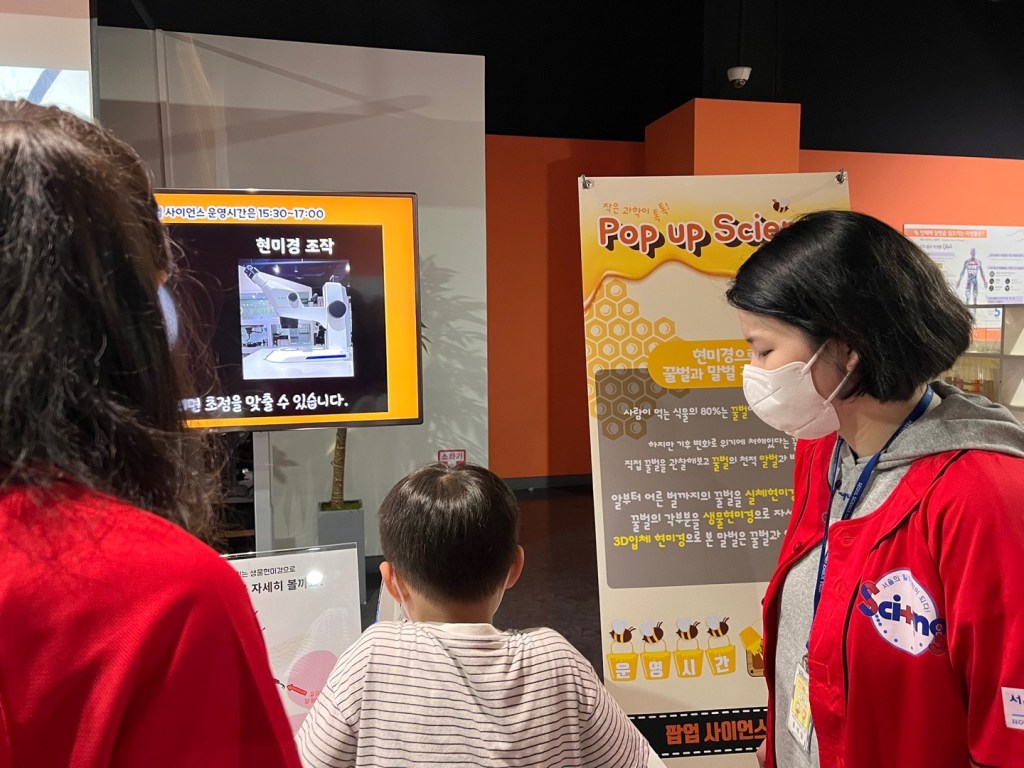
For the latter half of the session, my partner and I led an interactive microscope event, where visitors could view samples of wasps (under a 3-D microscope), lifecycles of honeybees and their beehives (under a stereomicroscope), and a part of a honeybee wing (under a biological microscope). We were educated before explaining the interactive booth, but I actually never knew that wasps had 5 eyes, 3 of which are mainly for light detection. I also never knew that the holes in wings of honeybees allow them to breathe.
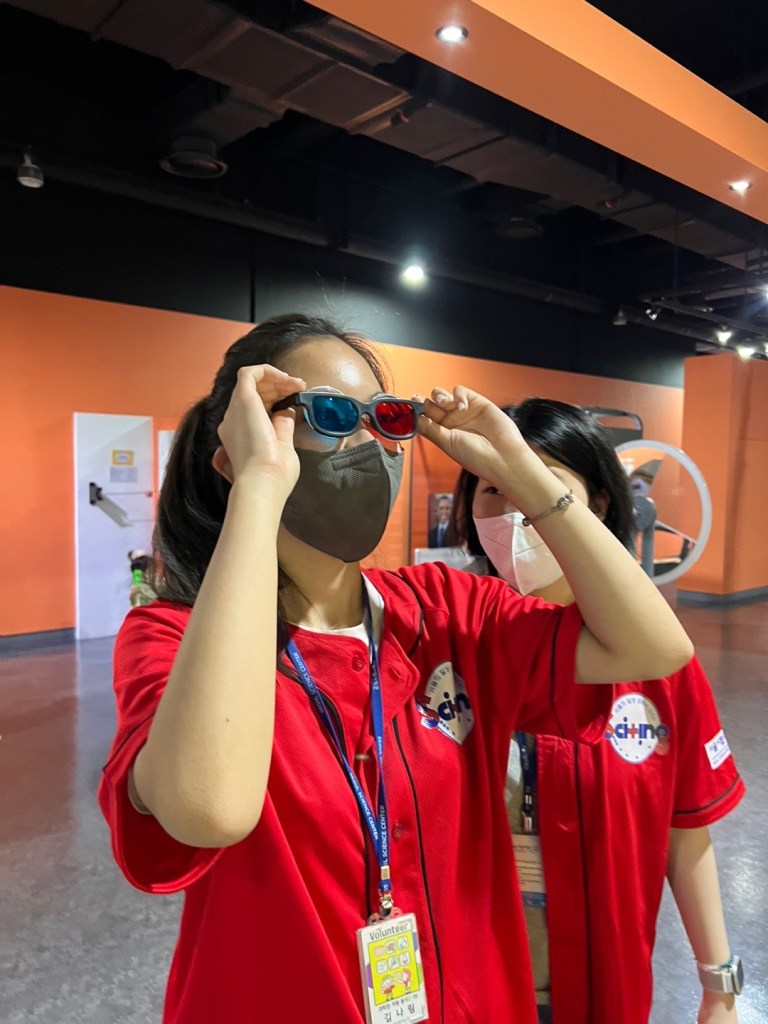
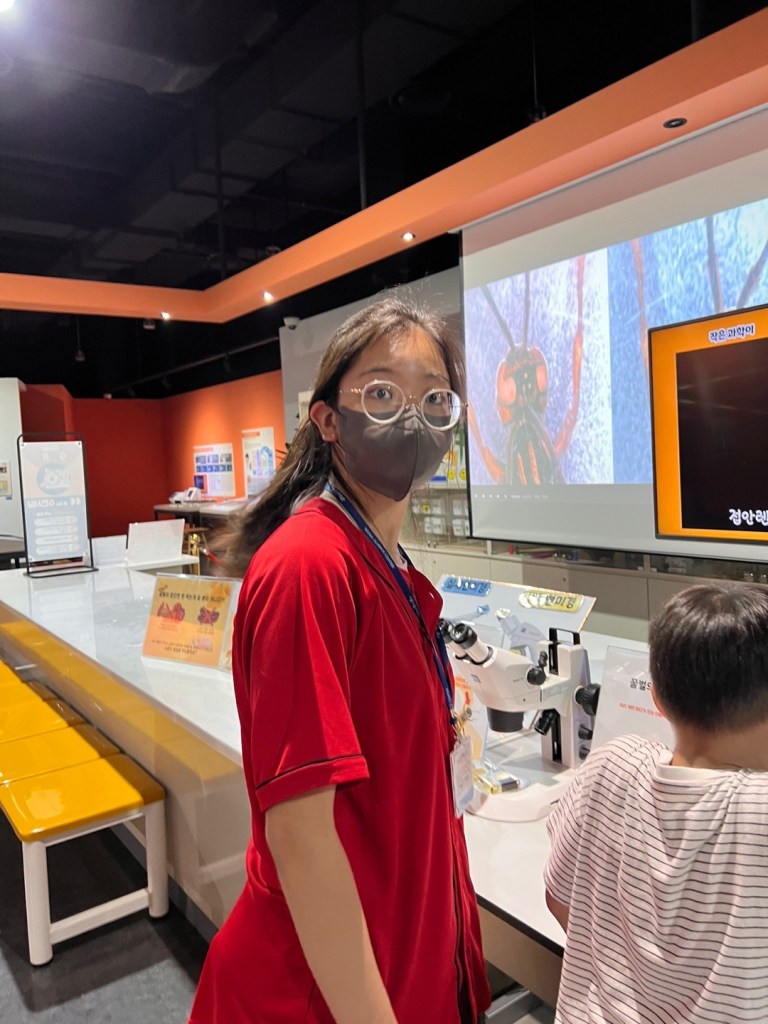
Here are some photos of the event:
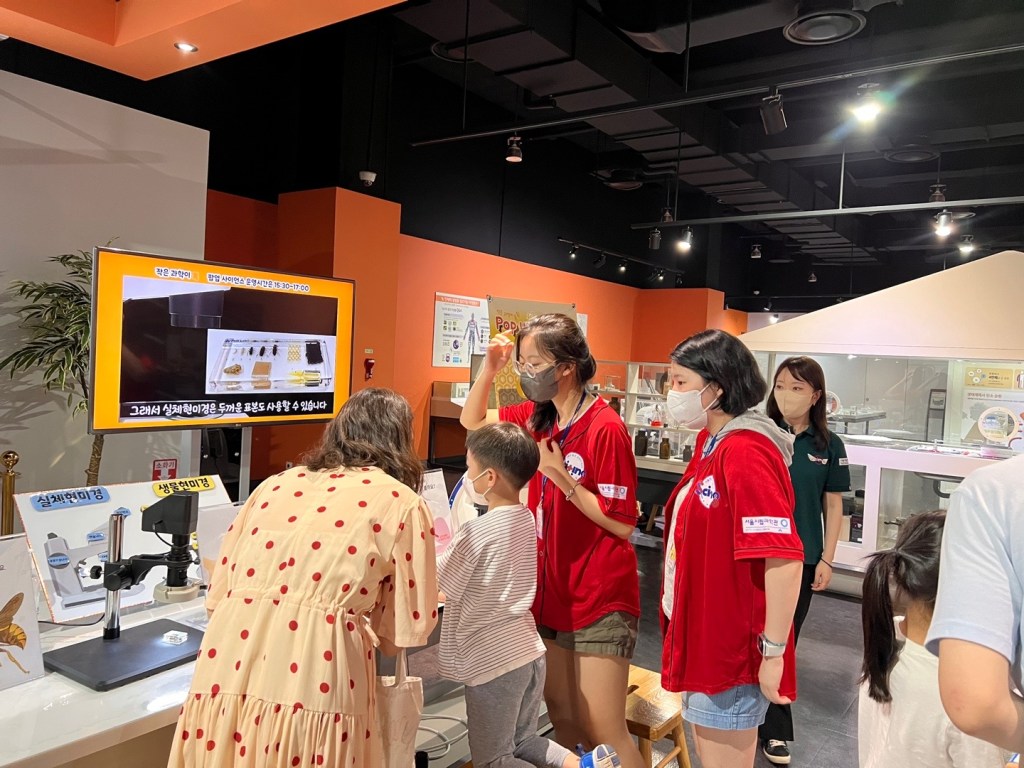
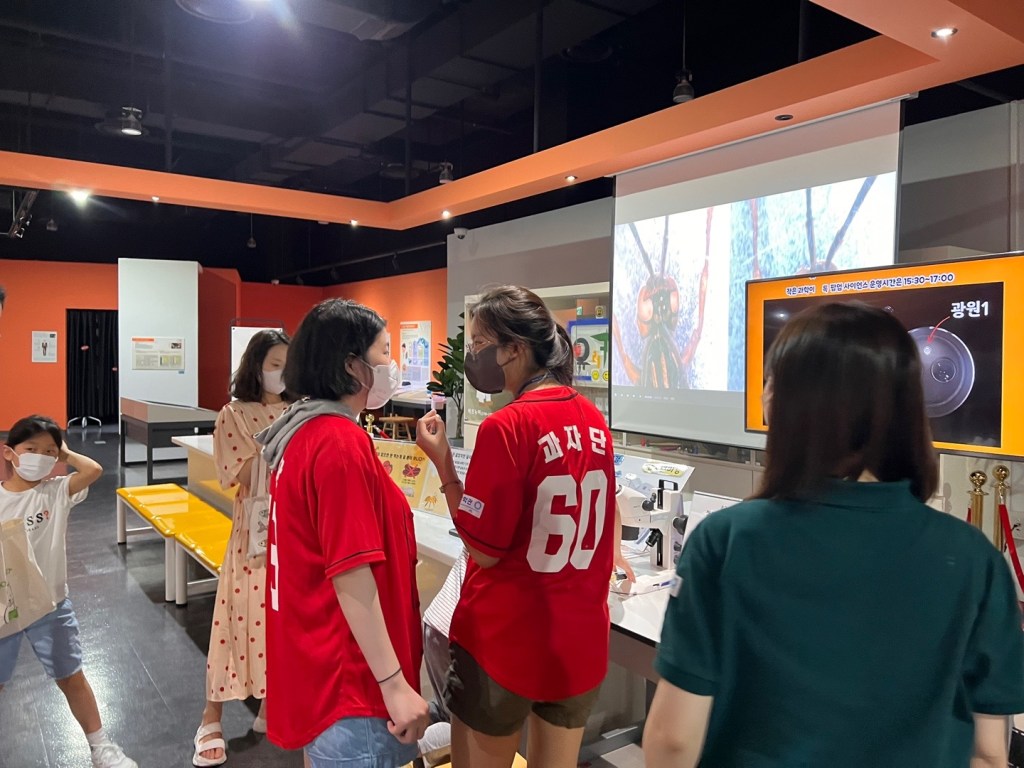
It’s always so fascinating to learn new scientific facts while teaching other people about science, which I think is the most appealing factor of being able to serve as a student volunteer at the Seoul Science Center.
– Joanna Kim, June 28th, 2022, 8:57 PM KST –
 Biochemistry Science Blog!