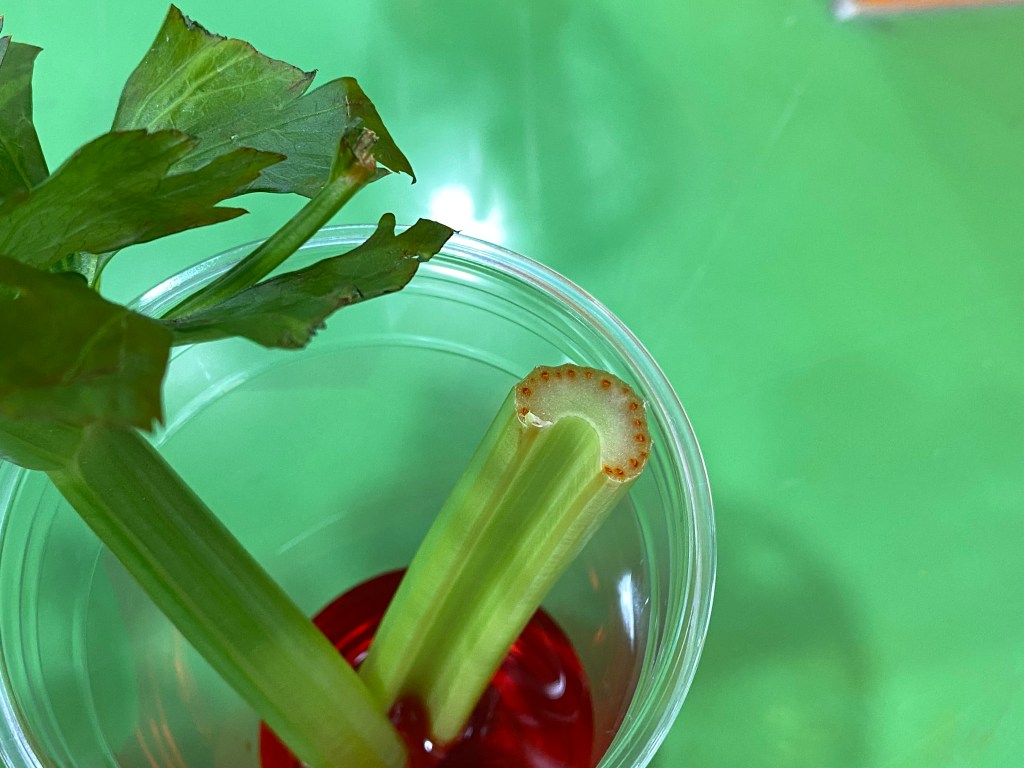
Throwback to mini me in 5th grade struggling to measure the length of the food coloring pathway on my celery for my science fair project. This lesson plan was inspired by that science project, actually. If yesterday’s class lesson was on Chemistry (exploring acids and bases through explosive sandwich bags), today’s lesson was more focused on Biology and Environmental Science — osmosis in plants!
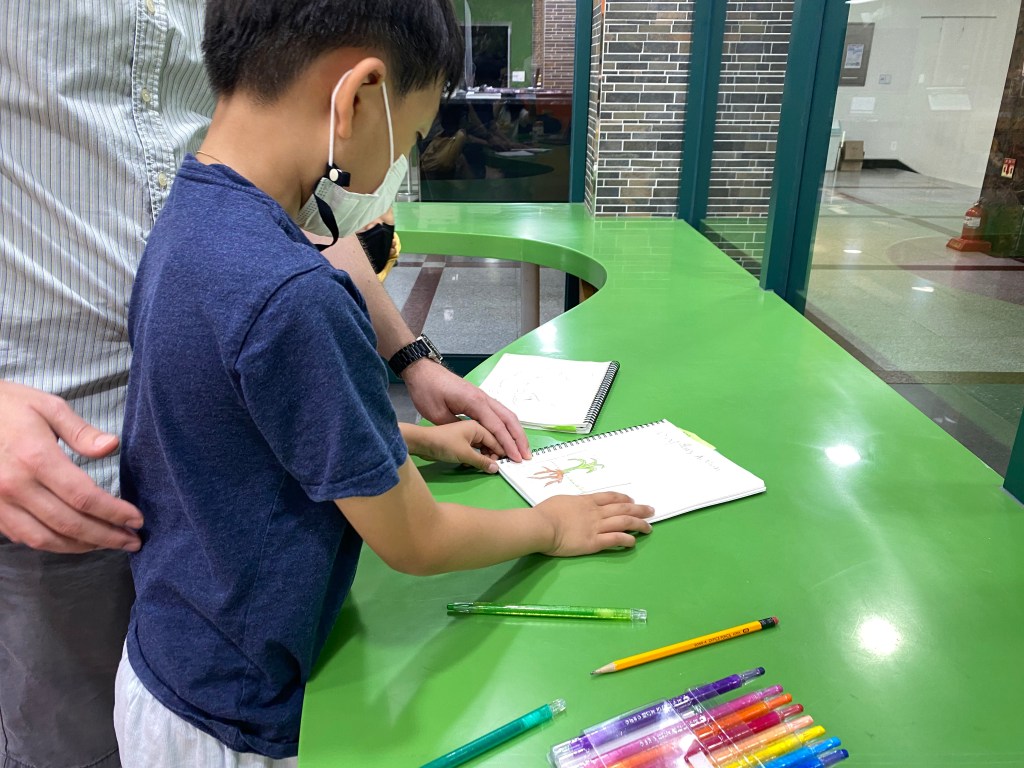
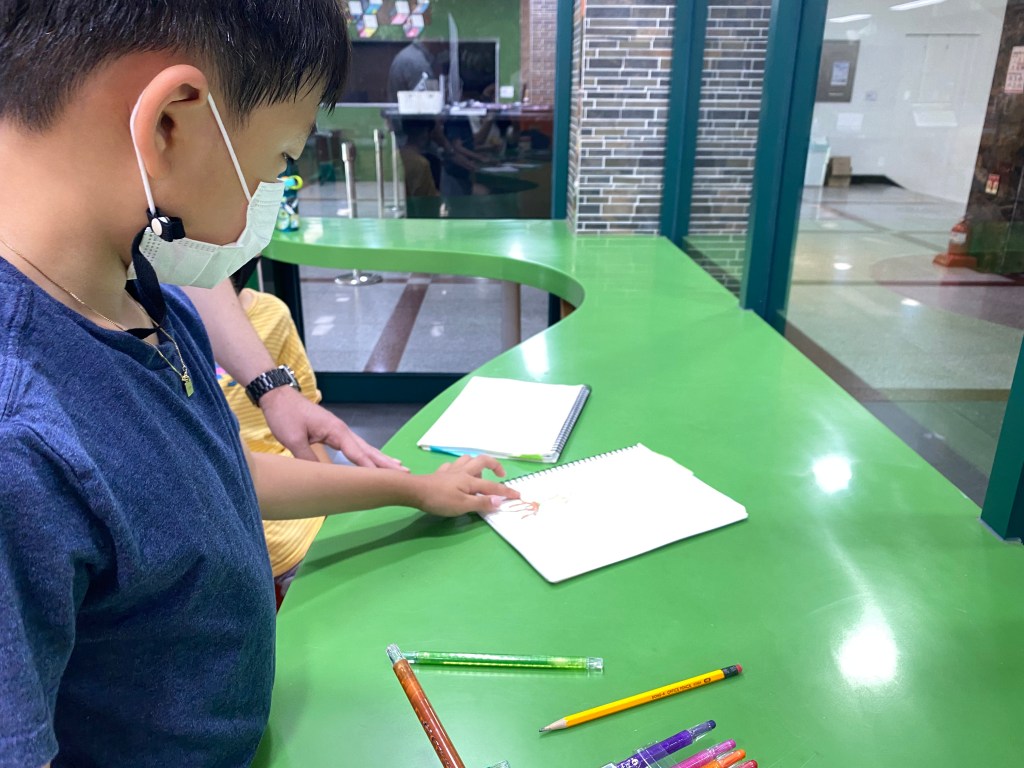
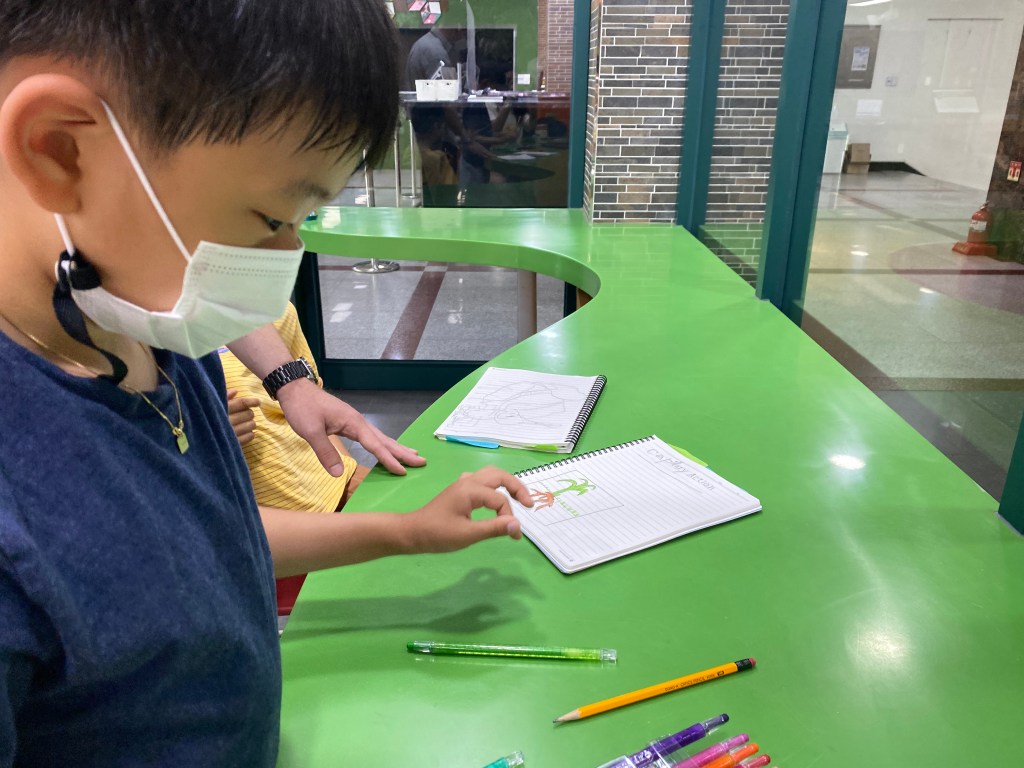
It’s kind of amusing that I was able to learn about the process in a much more detailed, scientifically accurate way this time while preparing for the lesson plans compared to my superficial extent of knowledge during 5th grade. I don’t even know now how I managed to explain the scientific concepts behind my reasoning for my hypothesis. Hmph.
When water evaporates from the stomata (pores under the plant’s leaves) due to “transpiration”, the plant is deprived of water. Thus, it will absorb water from the soil through its roots. Due to differences in polarity between water and xylem (the tubes through which water molecules travel up), the water molecules will cling to xylem and travel up through the process of “adhesion”. Simultaneously, because of the intermolecular forces formed between the water molecules, water molecules temporarily bind to each other while traveling up due to adhesion. This process is called “cohesion”.
The food coloring that is used in this experiment serves the purpose of demonstrating the travel of water through the plant, which in this case, is celery. Celery has minute tubes in its stem called “xylem”, which is the pathway that water travels through celery. When the entire water-absorbing process is complete, the water conceptually would have traveled up through the stem and transpired out through the leaves on top of the celery. Since food coloring will not evaporate with the the water, it will remain on the plant. Thus, if the leaves of the celery are tinted the color of the solution that the celery was dipped in, this demonstrates that the water certainly and successfully has traveled up through the plant.
While studying about this process, I kept realizing that structure really accounts for its function. Other than this process, there are often instances in which the structure is specifically shaped for a particular function or purpose, and I’ve realized this often during this experiment.
Of course, not only did the lowerclass students have a difficult time understanding the concepts and terms, but also, they struggled to focus during class, which made the explaining more difficult. However, with a bit of extra effort to motivate them by persuading they could make their own blue celery, the kids were excited to conduct the experiment.
Another major realization I had with the younger students is that they’re more amazed and focused and remember previous lesson plans better if the results of the experiment are more immediate and extreme. This class was quite the struggle for them to understand and know how to be patient for the results on the celery to appear.
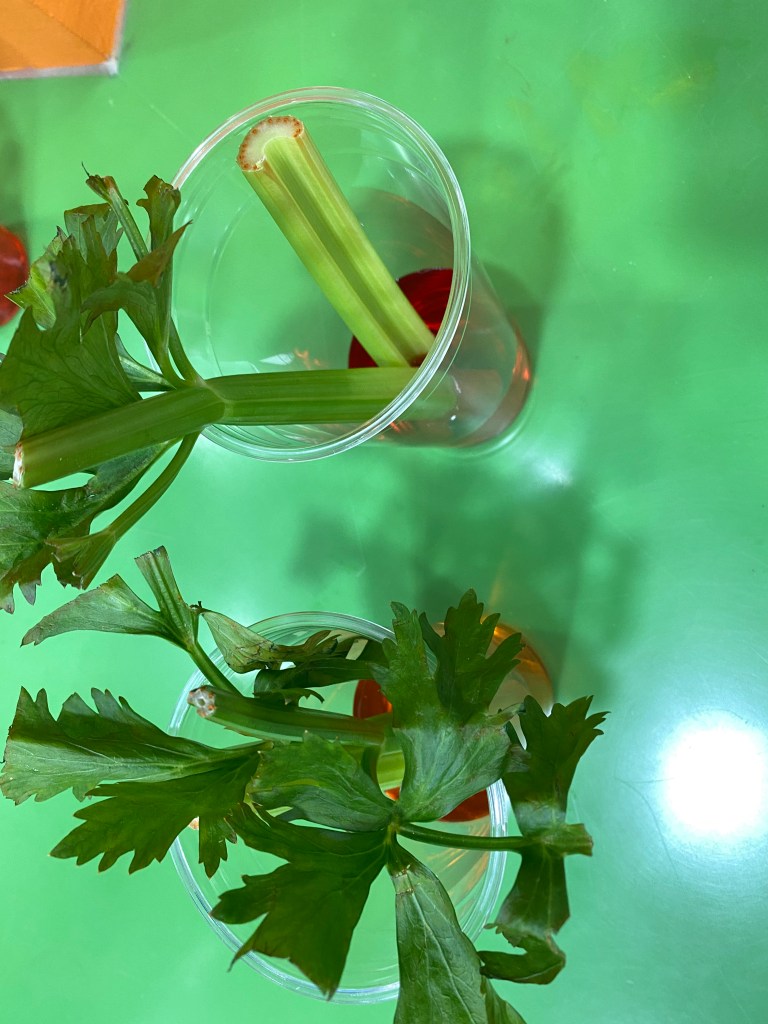
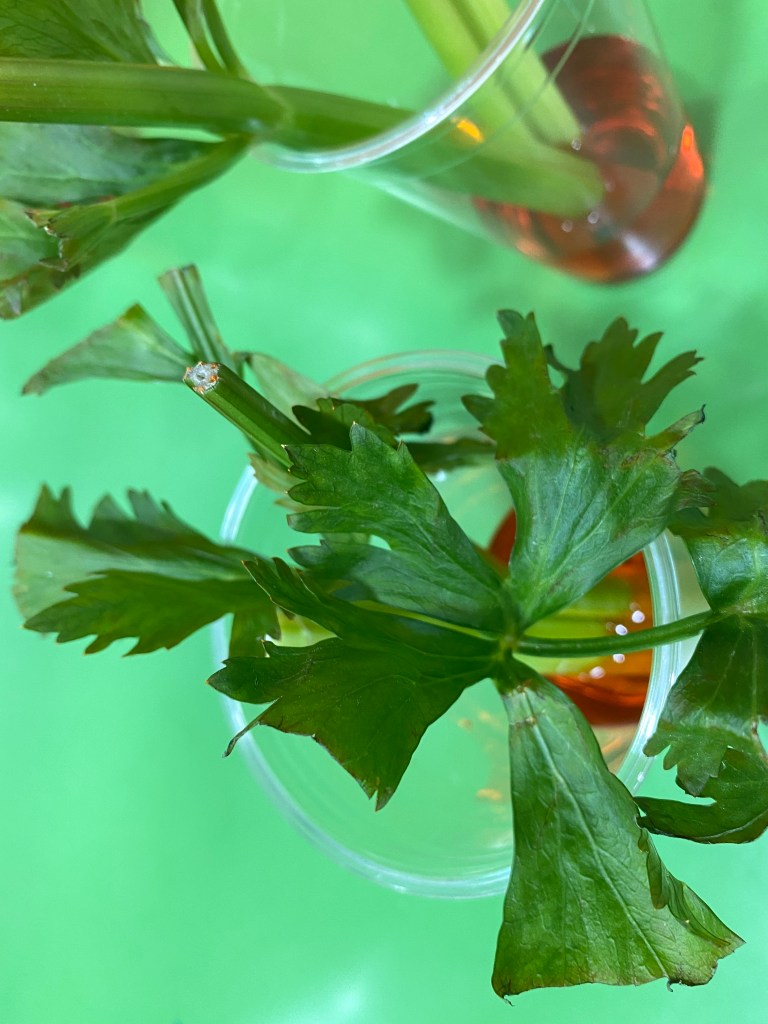
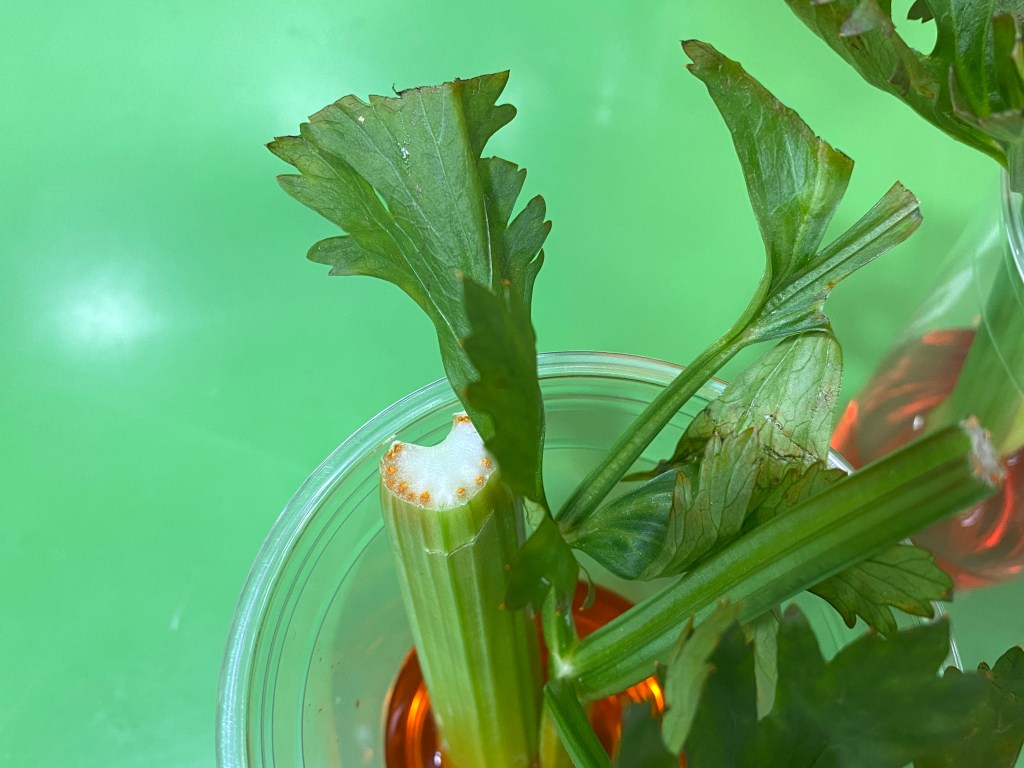
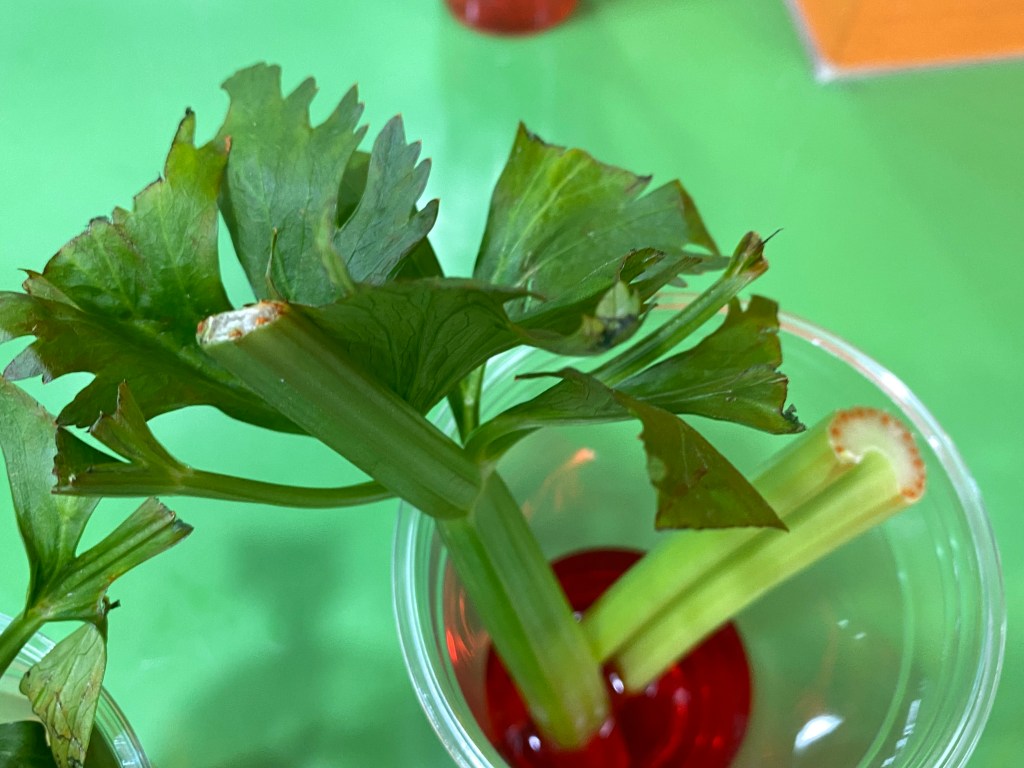
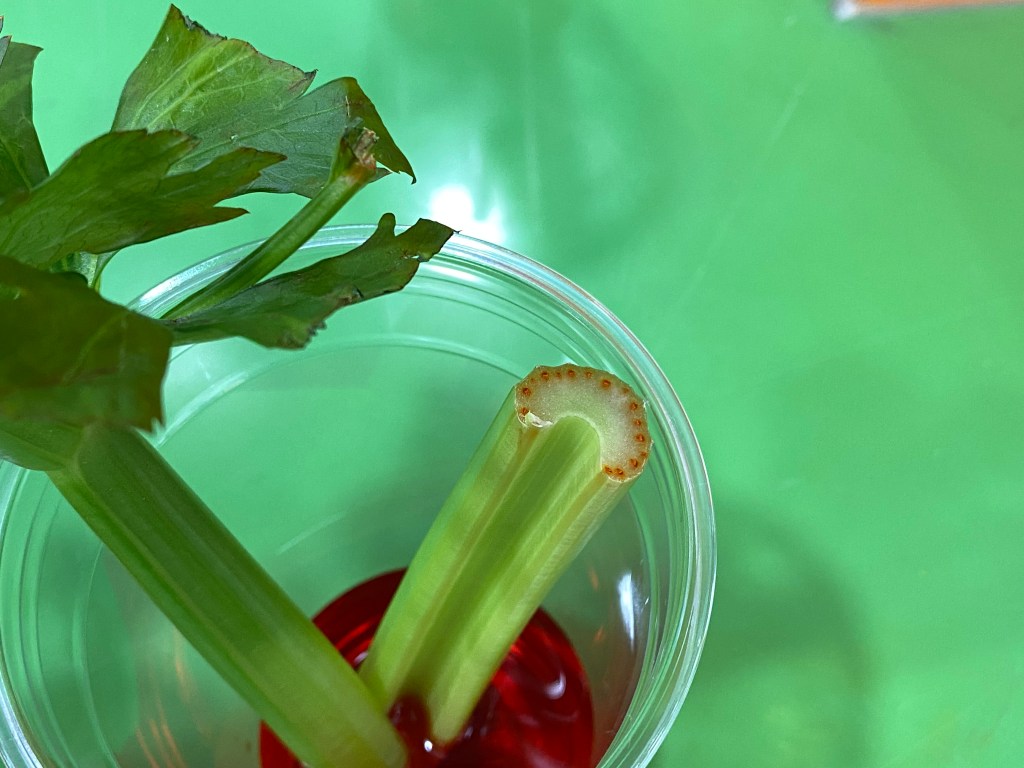
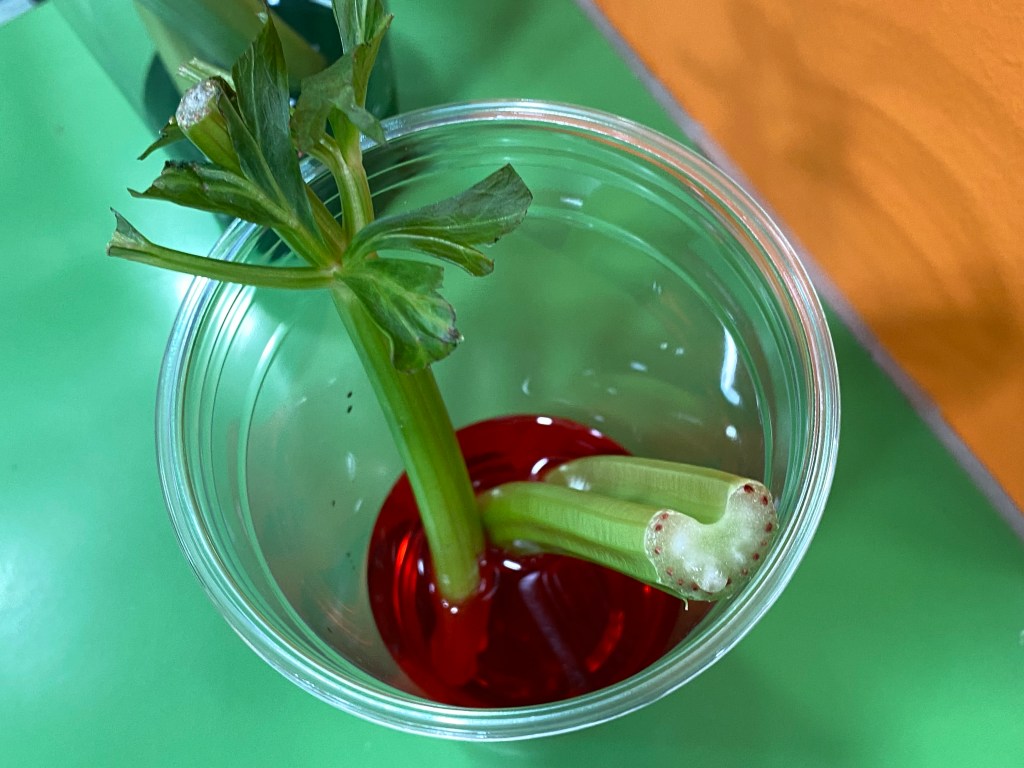
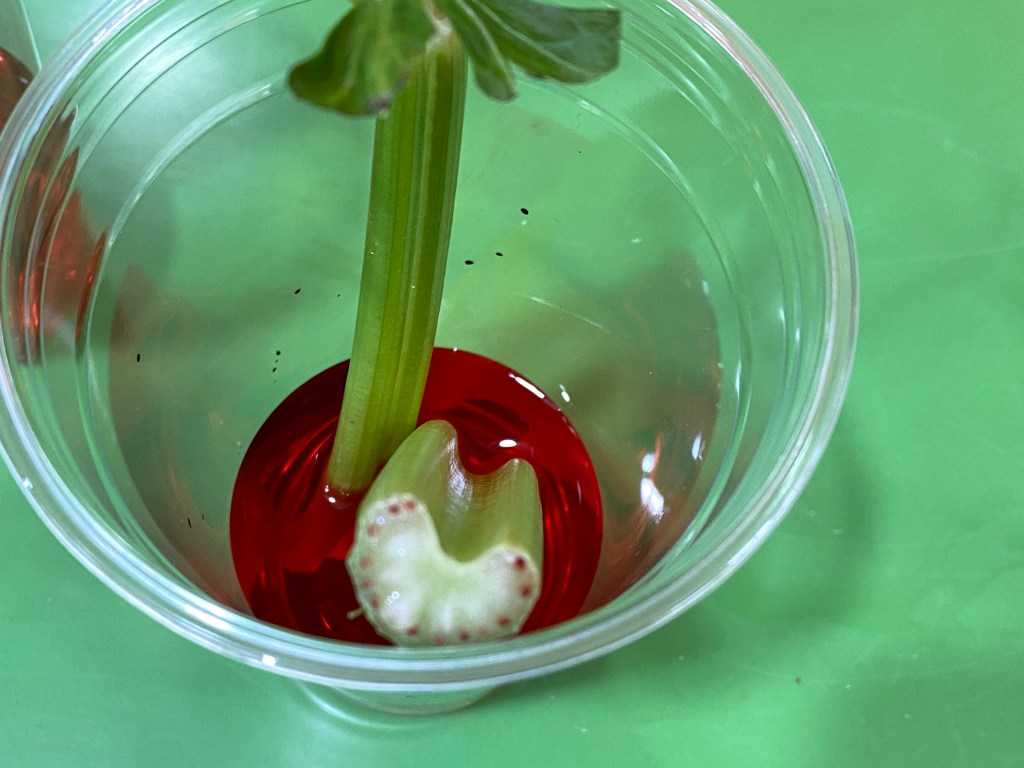
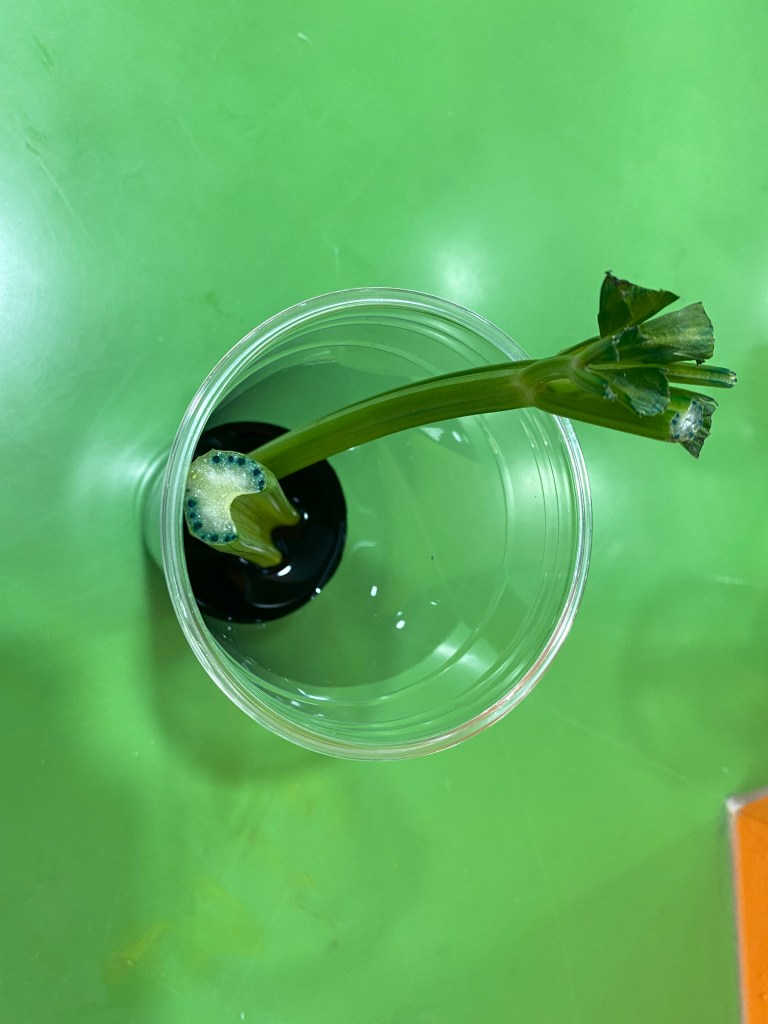
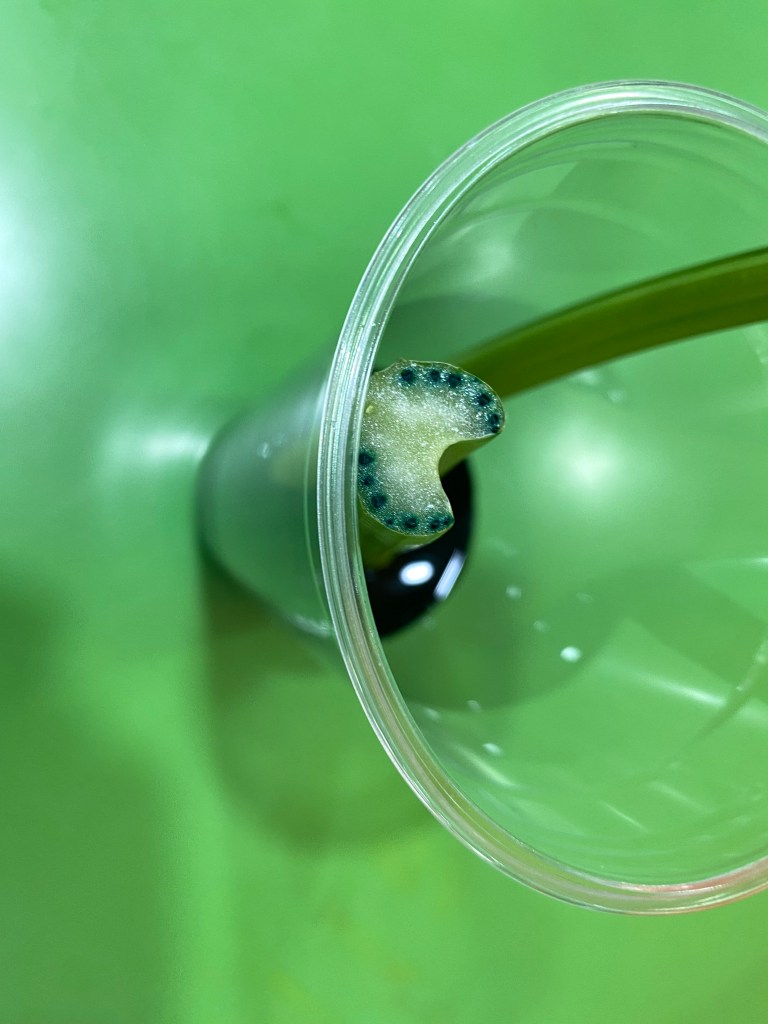
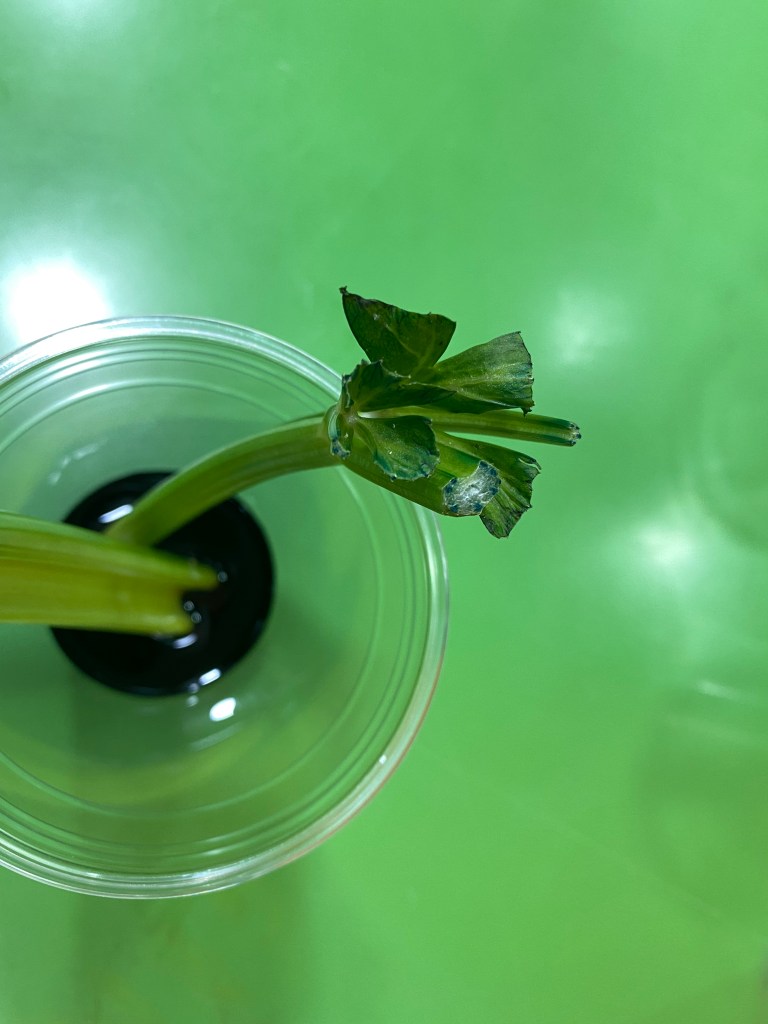
Today is the 24th of June, a Friday. Though Science class isn’t held on Friday, the lowerclass kids and I checked our celery growth and what amazing findings! The xylem of the celery were colored according to the color solution the celery was placed in, and the very ends of the leaves were tinted the color, which demonstrates that the water fully traveled through the celery! This experiment was a success 😀 (also, I never knew black food coloring was a thing until this class; the xylem interestingly turned bluish purple despite using black food coloring..)
Here are some photos:
– Joanna Kim, July 27th, 2022, 2:42 AM KST –
 Biochemistry Science Blog!