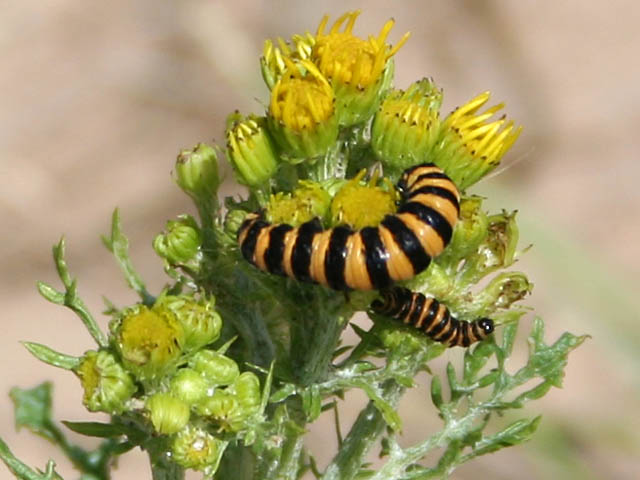
While researching about the different interactions that exist in the Amazonian rainforest for an Environmental Science Biomes project, I came across the “symbiotic” relationship between lycaenid species caterpillars and cocktail ants. (1)
The Amazon rainforest is a crucial biome to our planet, storing 76 billion tonnes of carbon while also releasing 20 billion tonnes of water (2. In the Amazon rainforest exists countless many species that are reliant on each other for survival and maintenance of a healthy ecosystem.
Caterpillars of the lycaenid family/soon-to-be butterfly Lycaenidae family have been found to create two main adaptations to the various predators they’re exposed to in the Amazon rainforest.
1. Formation of Pore Cupolae Glands
Pore Cupolae is a gland that secretes the chemical pheromone. By forming such glands on the surface of their skin, these caterpillars are able to subdue the aggression of the predatory cocktail ants.
2. Adaptation of Dew Patch Organs
The caterpillars were also found to have evolved over time by creating dew patches, nectar glands that secrete carbohydrate-rich nectar to feed the predatory cocktail ants. By secreting the nectar on their backs, the caterpillars are able to also keep the cocktail ants interested enough to surround them and protect them from dangerous parasitoids, sometimes even carrying the caterpillars to their nests. Ants were also sometimes found to rub the backs of the caterpillars with their antennae to encourage them to secrete more nectar.
This system superficially may appear like a healthy, somewhat wholesome symbiotic relationship.
HOWEVER, some of the factors I found that allowed this symbiosis to be maintained that were the most interesting and even a bit sneaky.
The caterpillar had a few key features to the aforementioned adaptations to manipulate and subdue the ants. First, as aforementioned, the secretion of pheromone through their pore cupolae glands. Second, the nectar that is secreted by the dew patches on the surfaces of these lycaenid species caterpillars was found to alter the dopamine levels in the ants’ brains, a hormone that produces effects of satisfaction, motivation, and pleasure. (2) By altering the dopamine levels, the caterpillars were able to slow the locomotory activity of the ants and increase their aggression towards other predators. Lastly, the caterpillars also prevented ants by everting their tentacle organs when the density of ants was too high or when the caterpillar wanted to move. The ciliary tufts located at the tip of the organs also had ant pheromone receptors.
Another amusing feature to this symbiotic relationship was how the caterpillars balanced their nectar production to satisfy their symbiotic partners with minimization of the energy they spent on producing nectar. To maintain such balance, the caterpillars were also sometimes reported to secrete the nectar as usual to deceive and lure the ants, but reabsorb them before the ants could eat the nectar.
So, compared to the originally more aggressive and predatory ants, it may actually seem that the caterpillars are more sneaky and dangerous through their manipulative ways to maintain life.. Thinking about it now, the alleged symbiotic relationship through the mutual parasitism may actually not be what it seems to be. Who’s the scary one now?
_________________________________________________________________
Works Cited:
(1) National Centre for Biological Sciences. “Strange Bedfellows: How Butterfly Caterpillars Sustain Their Association with Cocktail Ants.” Phys.org, Phys.org, 7 July 2020, phys.org/news/2020-07-strange-bedfellows-butterfly-caterpillars-sustain.html. Accessed 11 Nov. 2022.
(2) “Learn about the Amazon Rainforest.” WWF, 2016, http://www.wwf.org.uk/where-we-work/amazon. Accessed 11 Nov. 2022.
– Joanna Kim, November 11th, 2022, 3:52 PM KST –

